
Faculty at seven West Virginia colleges and universities were awarded approximately $174,000 in state-funding to purchase scientific equipment and enhance student opportunities.
The Science, Technology & Research (STaR) division of the West Virginia Higher Education Policy Commission (Commission) awarded three Innovation Grants and six Instrumentation Grants to purchase modern instrumentation and enhance study in science, technology, engineering, and mathematics (STEM). Innovation Grants fund scientific equipment, curriculum improvements, minor renovations, and classroom instruction. Instrumentation Grants purchase scientific equipment for advanced undergraduate teaching laboratories and research to encourage students to pursue STEM careers.
“This state-funding allows for the purchasing of cutting-edge scientific instrumentation at our state colleges and universities,” said Dr. Janet Rorrer, senior director of STaR. “Access to such resources allows our faculty and students to build necessary skills needed to compete in the STEM workforce today.”
Instrumentation and Innovation Grants are primarily supported by the Research Challenge Fund, established by the West Virginia Legislature in 2004 to build research capacity and competitiveness at the state’s colleges and universities. It is managed by STaR and matching funds are usually provided by the college or university to increase the size of the award.
Innovation Grants
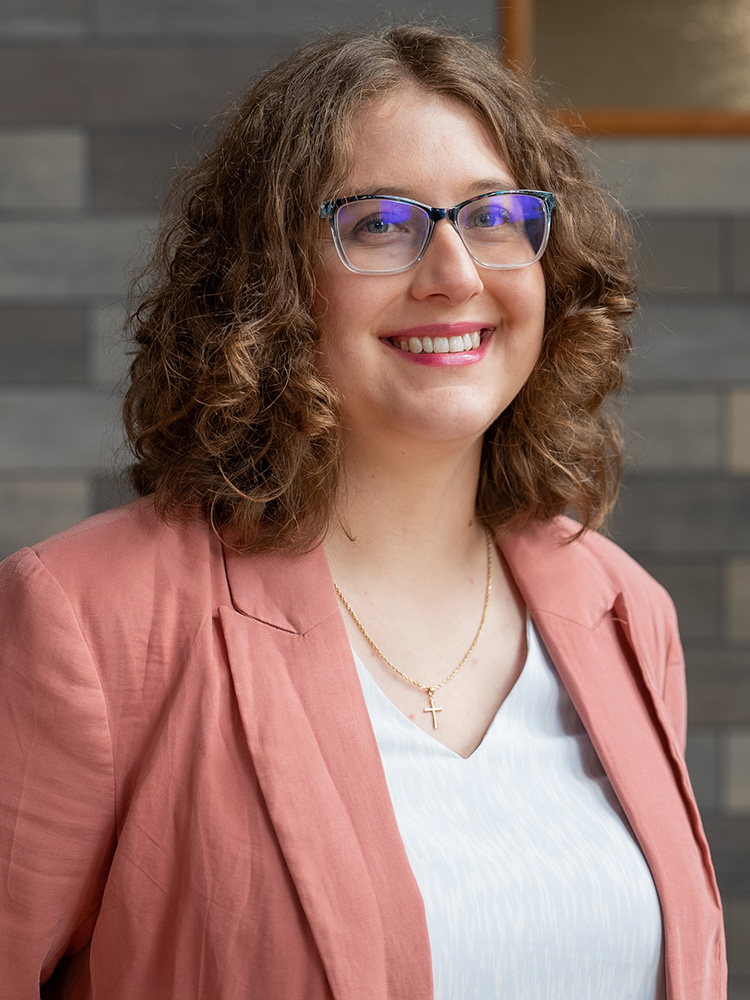
Dr. Katherine Hatzis, assistant professor of chemistry at Concord University, was awarded $40,000 for “Purchase of Inductively Coupled Plasma – Optical Emission Spectrometer (ICP-OES): Elemental Detection in Teaching, Research, and Community Outreach.” Hatzis will use this funding for a new inductively coupled plasma-optical emission spectrometer (ICP-OES) instrument which will enhance Concord’s current capabilities to detect trace elements, down to parts-per-billion levels, and be used for courses across chemistry, geology, and biology. It will also be used in multiple faculty research efforts and community service-learning projects on campus and in the surrounding community.

Dr. Aniruddha Maiti, assistant professor of mathematics, engineering and computer science at West Virginia State University, was awarded $19,579 for “GPU Computing Setup for AI-Focused Undergraduate Education and Research.” Maiti will use this funding to support hands-on instruction and student-led research in artificial intelligence (AI) that are not feasible with existing classroom hardware.
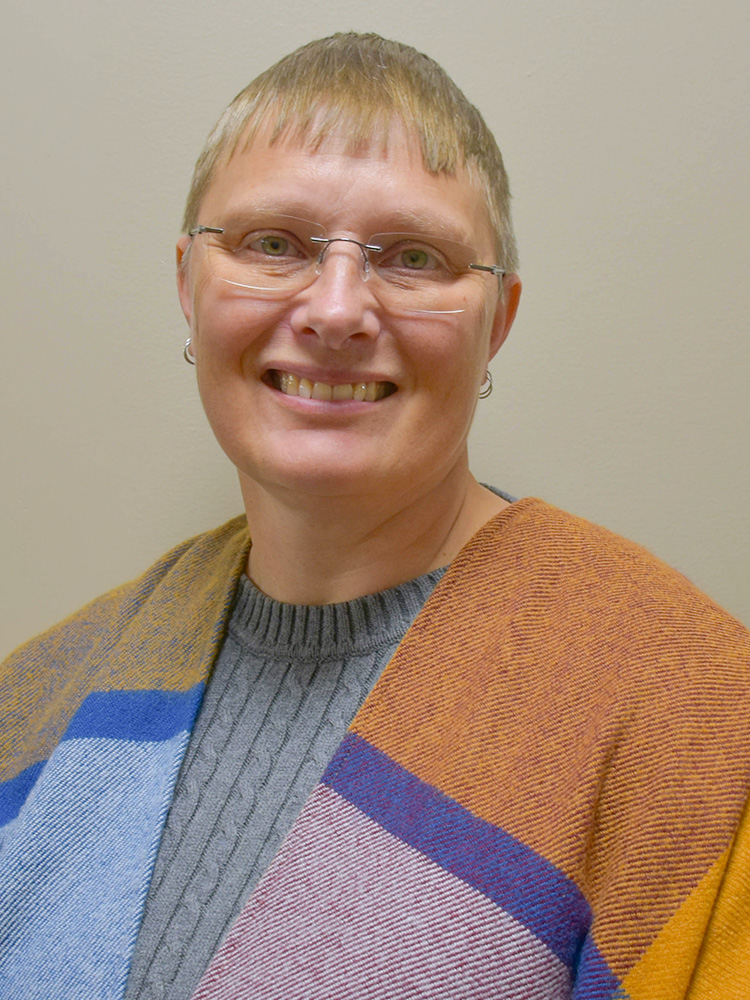
Dr. Sytil Murphy, associate professor of physics at Shepherd University, was awarded $12,975 for “GPS Equipment for Teaching, Mapping, and Surveying.” Murphy will use this funding to prepare students in the broad practical uses of GPS units to accurately map the world, including ground truthing structure from motion (SFM) activities, marking the locations of both natural features, like trees or rocks, and man-made features, such as driveways and utility systems.
Instrumentation Grants
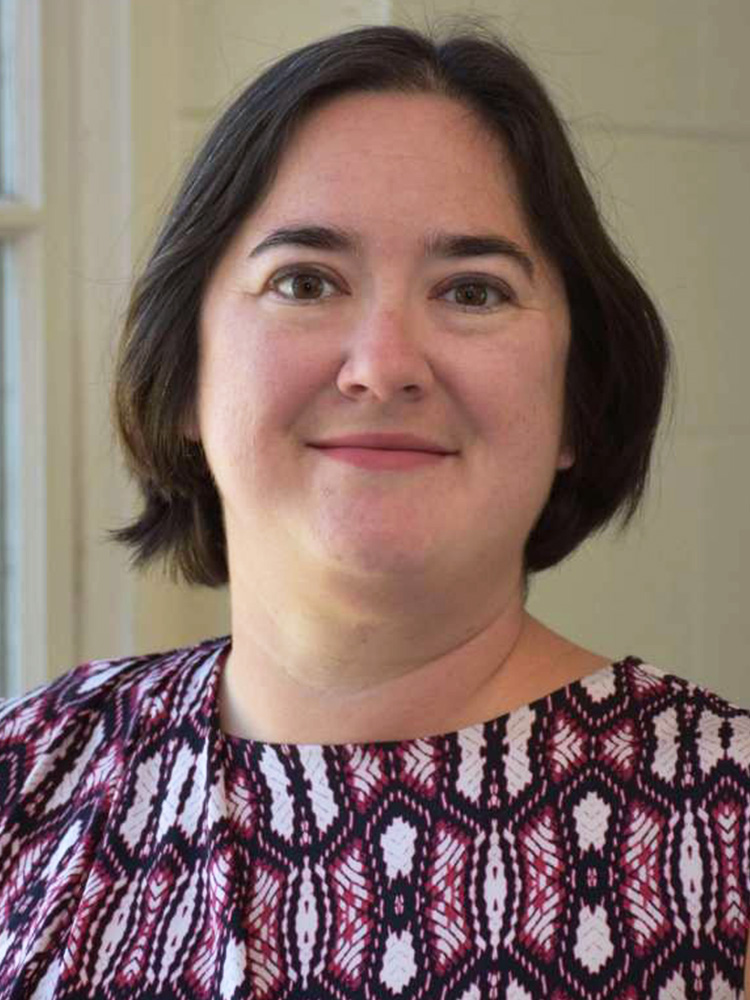
Dr. Jacquelyn Cole, associate professor of chemistry at Shepherd University, was awarded $20,000 for “X-Ray Fluorescence Analyzer.” Cole will use this funding to purchase a X-ray fluorescence analyzer to support students interested in chemistry and forensics, and other adjacent disciplines, to grow familiarity with such equipment that will transfer to a workplace setting.

Dr. Mary Ann DeLuca, chair and professor of sport science at Davis & Elkins College, was awarded $19,990 for “Enhancing STEM-Based Exercise Science Education Through Advanced Instrumentation.” DeLuca will use this funding to acquire a treadmill and gas analysis equipment capable of conducting maximal exercise testing, including VO₂ max, anaerobic threshold, and resting metabolic rate for understanding cardiovascular and metabolic responses to exercise that are foundational in clinical settings.

Dr. Zackary Graham, assistant professor of biology at West Liberty University, was awarded $19,418 for “Fostering Experiential Learning by Equipping WLU Students with Tools for Wildlife Telemetry and Genetic Analysis.” Graham will use this funding to purchase a FastPrep-24 bead beating grinder and a suite of Holohil radio telemetry equipment to establish an interdisciplinary course-based undergraduate research experience. This course is designed to provide students with experiential learning opportunities to collect field data on the movement ecology of crayfishes and subsequently analyze genetic material from their habitats in the laboratory.

Dr. Kabir Hossain, assistant professor of computer science at West Virginia State University, was awarded $10,787 for “High-Performance AI Workstation for Secure Crop Disease Detection and Undergraduate Training.” Hossain will use this funding to purchase two high-performance AI workstations to support an ongoing project on plant disease detection at WVSU. The workstations will provide the computational power needed to efficiently train multimodal AI models for detecting plant diseases such as Fusarium wilt.

Mark Vecellio, assistant professor of forensic investigation at West Virginia University Institute of Technology (WVU Tech), was awarded $11,917 for “Visualization, Detection and Photography of Latent Forensic Evidence.” Vecellio will use this funding to purchase a Reflected Ultraviolent Imaging System (RUVIS) used to detect latent fingerprints. This technology has an extensive history of use among practitioners and offers hands-on experience to students majoring or minoring in forensic investigations.

Dr. Derek Warren, assistant professor of biology at Bethany College, was awarded $19,900 for “Fluorescent Microscope for Biomedical Education and Research.” Warren will use this funding to purchase a fluorescent microscope system to enhance Bethany’s biomedical research capacity while improving laboratory training for undergraduate students.